
Check the temperature where you actually sleep
The number in the hall may leave out the part of the house you’re trying to get comfortable in.
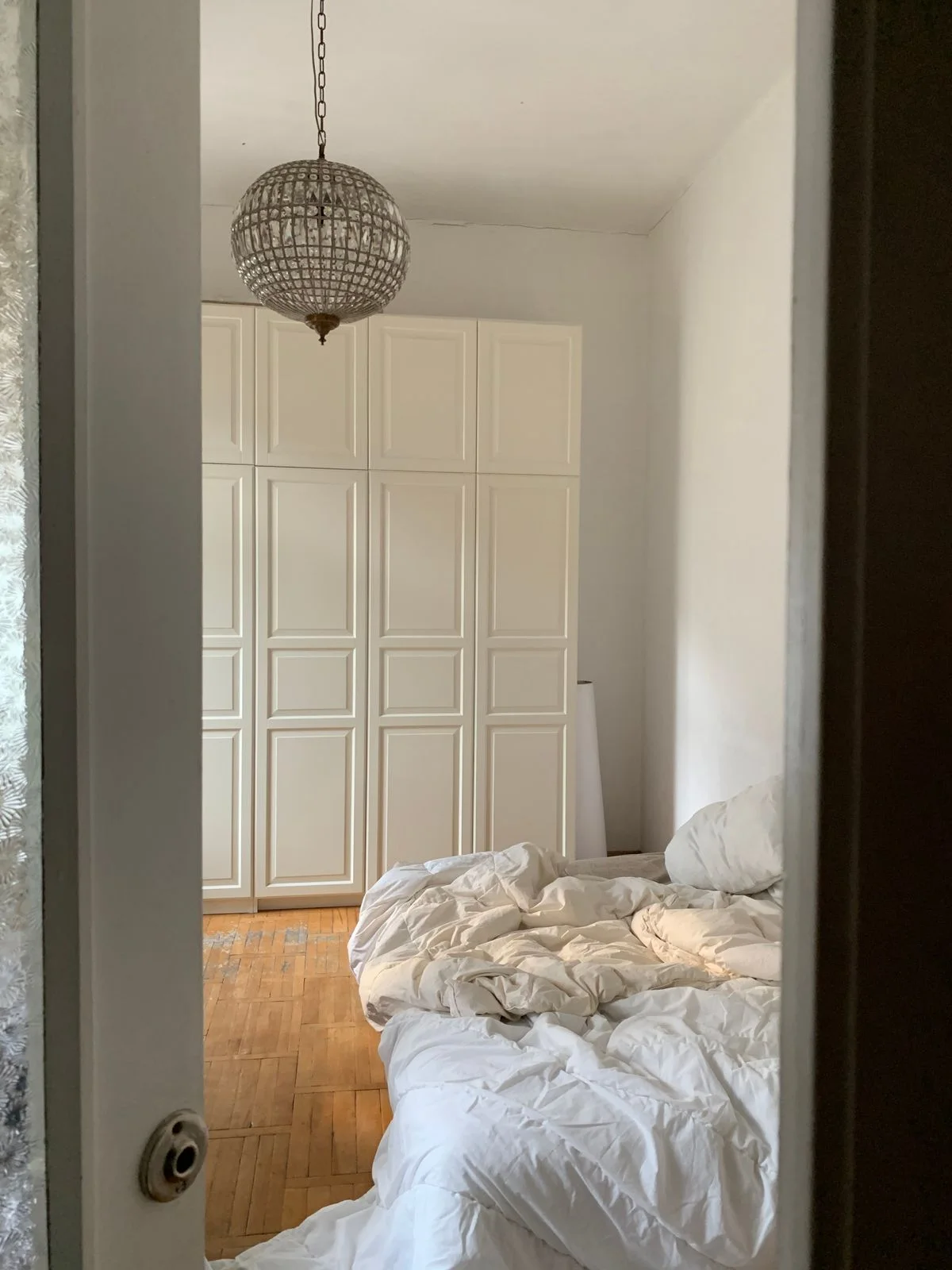
Give the bedroom its own reading
Put a basic room thermometer on a shelf near bed height, with space around it and away from a vent, window, lamp, or heater. Check it around bedtime on a few nights alongside the thermostat reading. Make the comparison in the morning too if you’re curious about what changes while the system follows its overnight schedule.
Record what the numbers leave out
Write down whether you felt warm at lights-out, under the covers later, or when you got up. Note the bedding and whether the door was in its usual position. A bedside thermometer describes the nearby air. It has very little to say about the private weather under a thick comforter.
Match the adjustment to the pattern
If the room reads comfortably but the bed feels warm, try changing one layer. If the room and the hall keep showing different numbers, review the thermostat schedule or ask building maintenance about the difference. Keep vents unobstructed and give one change time to show what it does before adjusting another.