
What to look for in a basic alarm clock
A legible display, a separate alarm switch, and a clear answer about what happens when the power goes out.
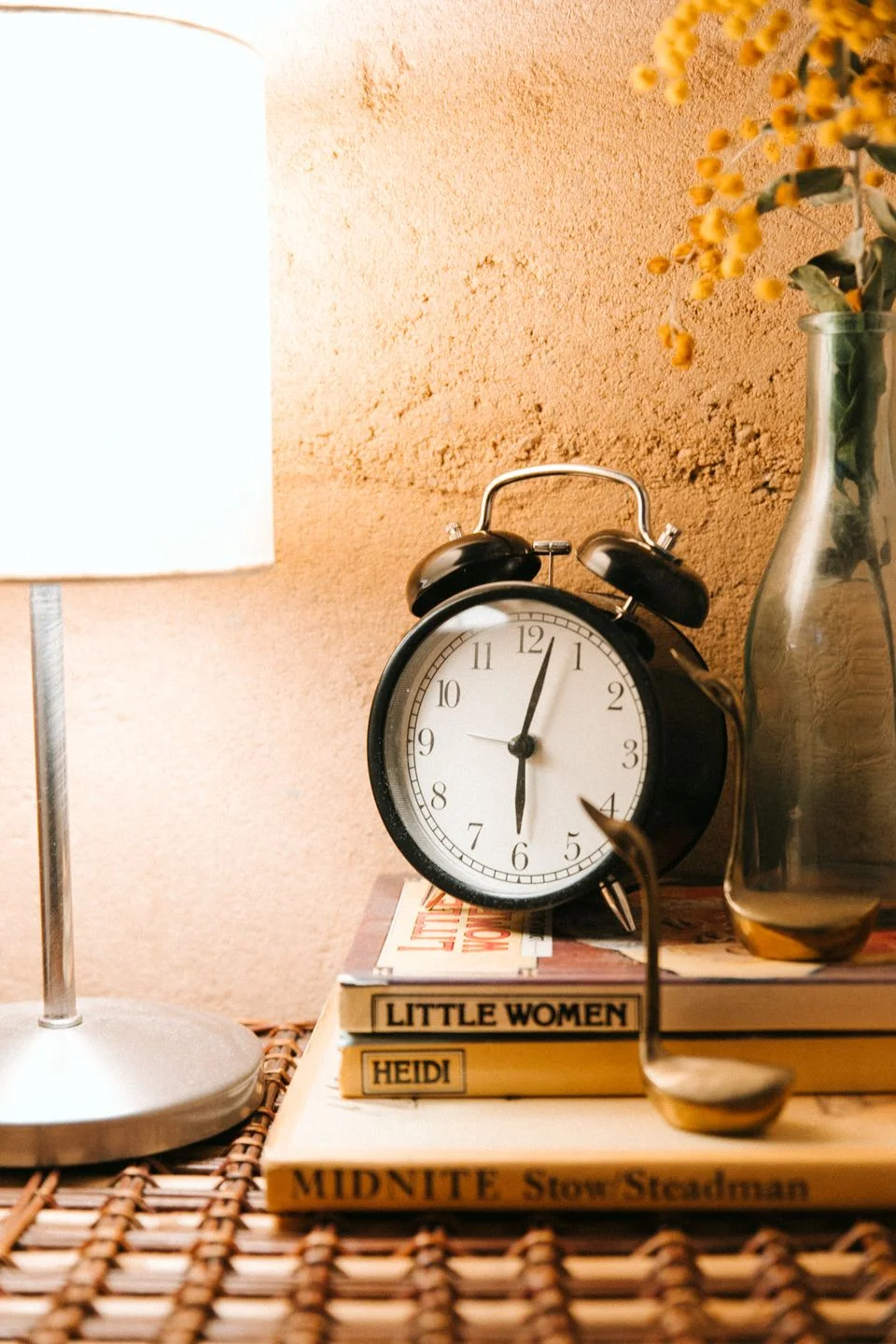
The sleepy-hand test
Look for a physical alarm switch you can identify by touch without unplugging the clock or resetting the time. When you mute an alarm, you should be able to tell whether it will ring the following morning. A large snooze button is useful if you like it. A large snooze button that is nearly identical to every other button is a design opinion.
Read the battery footnote
Look for explicit language in the manual about whether the clock will sound during an outage or simply remember its settings. If uninterrupted operation matters, test it while you are awake or keep a separate backup. Check that a dim setting actually gets dark enough for the nightstand, and that you can read the display from the angle where you lie.
Try the alarm before you trust it
Set it for a few minutes ahead. Listen from your pillow. Then silence it, check the next alarm setting, and do the same after a simulated power interruption if the manual allows it. Most of the buying decision fits into that short test.